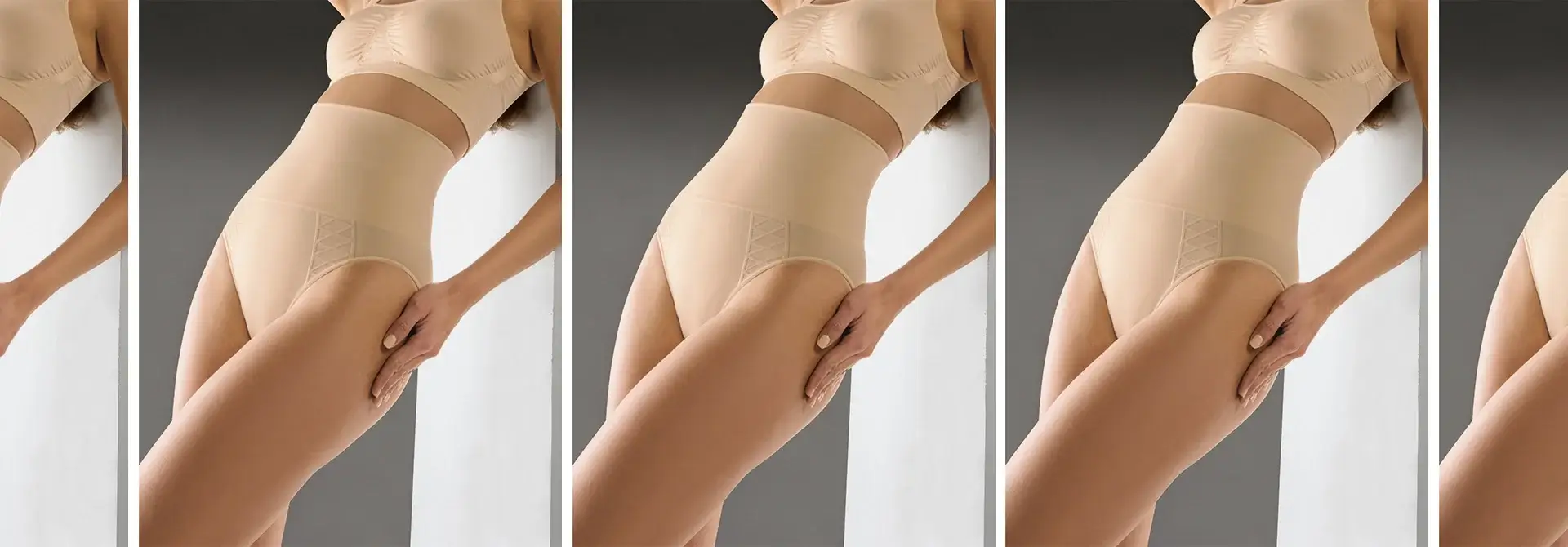
How to find comfortable shapewear that still offers support
Shapewear gets a bad rap. Somewhere along the way, it picked up a reputation for being tight, sweaty, and the kind of thing you can’t wait to peel off the second you get home. But good shapewear? The kind that’s actually worth wearing? It should feel smooth, supportive, and quietly confidence-boosting – not like you’re being vacuum-sealed for public viewing.
If you want shapewear that’s comfortable and does a job, here’s how to find it (without sacrificing breathing, sitting, or enjoying your dinner).
Start with the real goal (hint: it’s not “smaller”)
The best shapewear doesn’t necessarily make you look “smaller” – it makes you look smoother. Think of it like good lighting for your outfit: it evens things out, helps clothes sit better, and gives you a cleaner line.
Before you shop, ask yourself:
- Do I want to smooth my tummy under a fitted dress?
- Do I want thighs to glide under a skirt (no chafe, no rubbing)?
- Do I want a bit more support through my midsection for posture?
- Do I want a smoother line under knits or trousers?
When you know what you’re trying to achieve, you can choose shapewear that supports that area, instead of buying something intense that’s uncomfortable and doesn’t suit your outfit.
Choose the right level of support (more isn’t always better)
Shapewear usually comes in light, medium, or firm support. A lot of people go straight for firm support thinking it will “work harder”. The problem is: firm support can feel restrictive if it’s not the right cut or if you’re wearing it all day.
A simple guide:
- Light support: smoothing, everyday comfort, great under knits and workwear.
- Medium support: a noticeable smoothing effect, good for dresses and event outfits.
- Firm support: more structure and hold, best for short wear or when you specifically want extra shaping.
If you’re new to shapewear, start with light or medium. You’ll actually wear it, which is the whole point.
Get the size right (and don’t size down)
This is the big one. Shapewear is designed to fit snugly. If you size down to “make it work more”, it usually does the opposite:
- rolls down at the waist
- digs in and creates lines
- feels restrictive
- makes you constantly adjust (the opposite of confidence)
The right size should feel supportive and secure, but still let you move naturally. You should be able to sit down, bend, and breathe without thinking about it. If you’re doing the “small dance” to pull it into place every five minutes, it’s not the right fit.
Pick the best style for your outfit
Different outfits need different shapewear. Here are a few common options and what they’re great for:
High-waisted briefs or shorts
Perfect for smoothing the tummy and waist, and often the easiest everyday option. Shorts can help prevent thigh rub too.
Mid-thigh shorts
Great under dresses and skirts, especially if you want a smooth line through the hips and upper thighs. Look for hems that are designed to lie flat so they don’t create a visible line.
Full slips or shaping dresses
Amazing under fitted dresses because they smooth multiple areas at once (bust, waist, hips) and reduce the chance of lines or rolling.
Shaping camis or bodysuits
Ideal under knits, button-down shirts, or anything where you want a smoother torso and a clean layer underneath. Bodysuits can be especially helpful if you want everything to stay in place.
Look for comfort features (these matter more than you think)
Comfort is usually won or lost in the details. If you want shapewear you’ll actually wear, keep an eye out for:
- Soft, breathable fabric (especially if you’ll wear it for hours)
- Seamless or flat seams to avoid rubbing and visible lines
- A wide waistband that sits smoothly instead of cutting in
- Grippy edges or clever construction that reduces rolling
- Flexible boning or targeted panels that support without restricting
- A gusset or bathroom-friendly design (because life happens)
If shapewear feels uncomfortable the minute you put it on, it’s unlikely to improve at hour three.
Do the “real life” test in the change room
Shapewear should handle movement — not just standing still. When you try it on:
- sit down and stand up
- take a few steps
- lift your arms
- twist slightly
- check the waist and legs for rolling
Also: try it with the type of clothing you’ll wear it under. A fitted dress needs a different base than relaxed trousers, and a slippery fabric behaves differently to a thick knit.
Avoid the most common shapewear mistakes
A quick checklist of what tends to cause disappointment:
- buying firm support when you really need smoothing
- sizing down “for extra hold”
- choosing the wrong cut for the outfit (then blaming the shapewear)
- ignoring fabric and breathability
- expecting one piece to work for every outfit
The best shapewear wardrobe is usually two or three key pieces that suit your most-worn outfits – not one “super suit” that you dread wearing.
Confidence is the point (not perfection)
Here’s the truth: shapewear isn’t about hiding your body. It’s about feeling comfortable and confident in your clothes, with a smoother line and a little extra support where you want it. You’re still you — just with fewer outfit distractions.
And that’s a win.
Ready to find shapewear that actually feels good?
If you’re in Warwick or nearby, drop into Stephanie’s Bra Boutique and let us help you find comfortable shapewear that still offers support – in the right size, the right style, and the right level of shaping for your outfit. Bring the dress (or the trousers, or the knit) you want to wear it with, and we’ll help you build the smooth, comfy foundation that makes everything else look better.