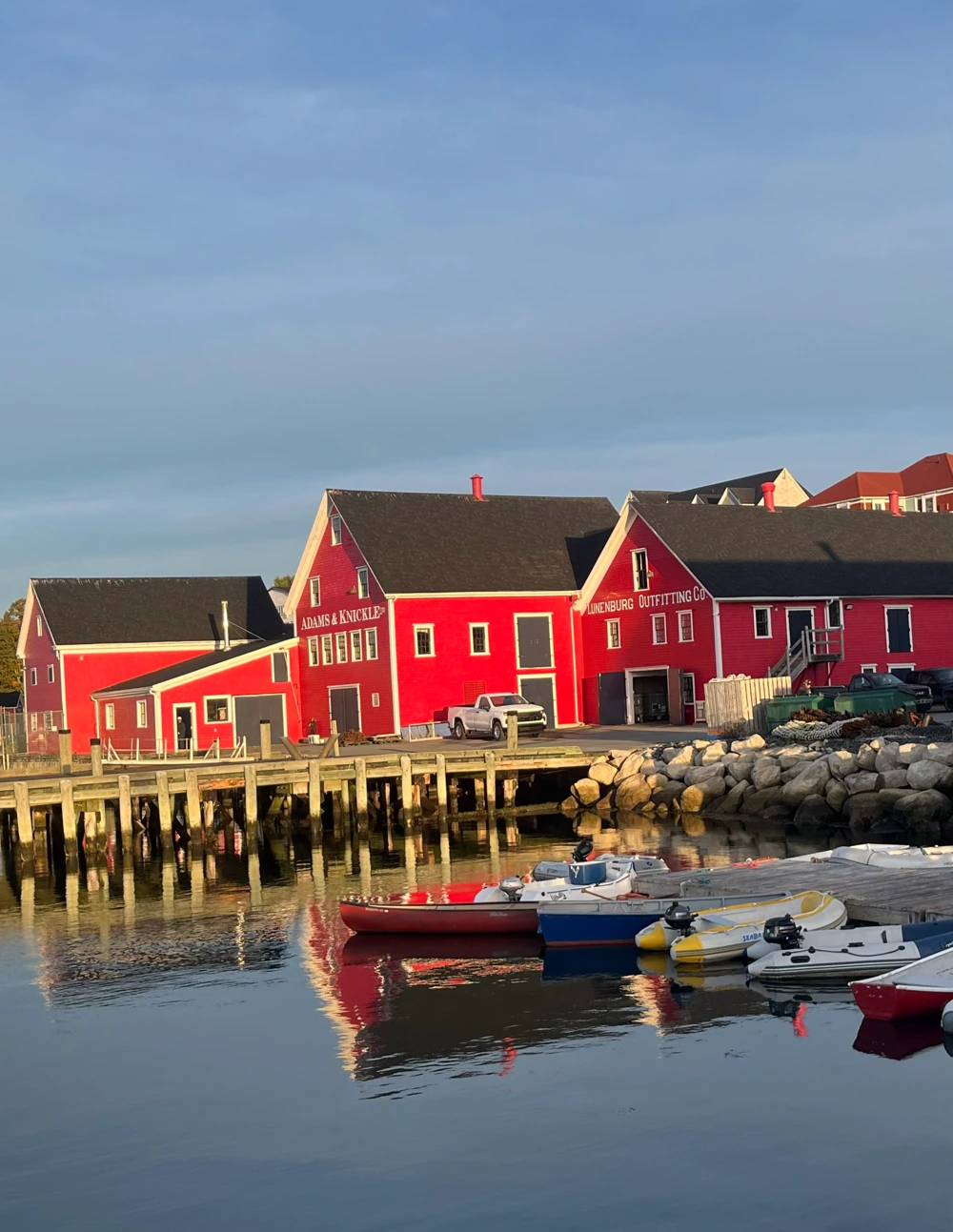
The Colours of Canada
On the Lighthouse Trail in Nova Scotia
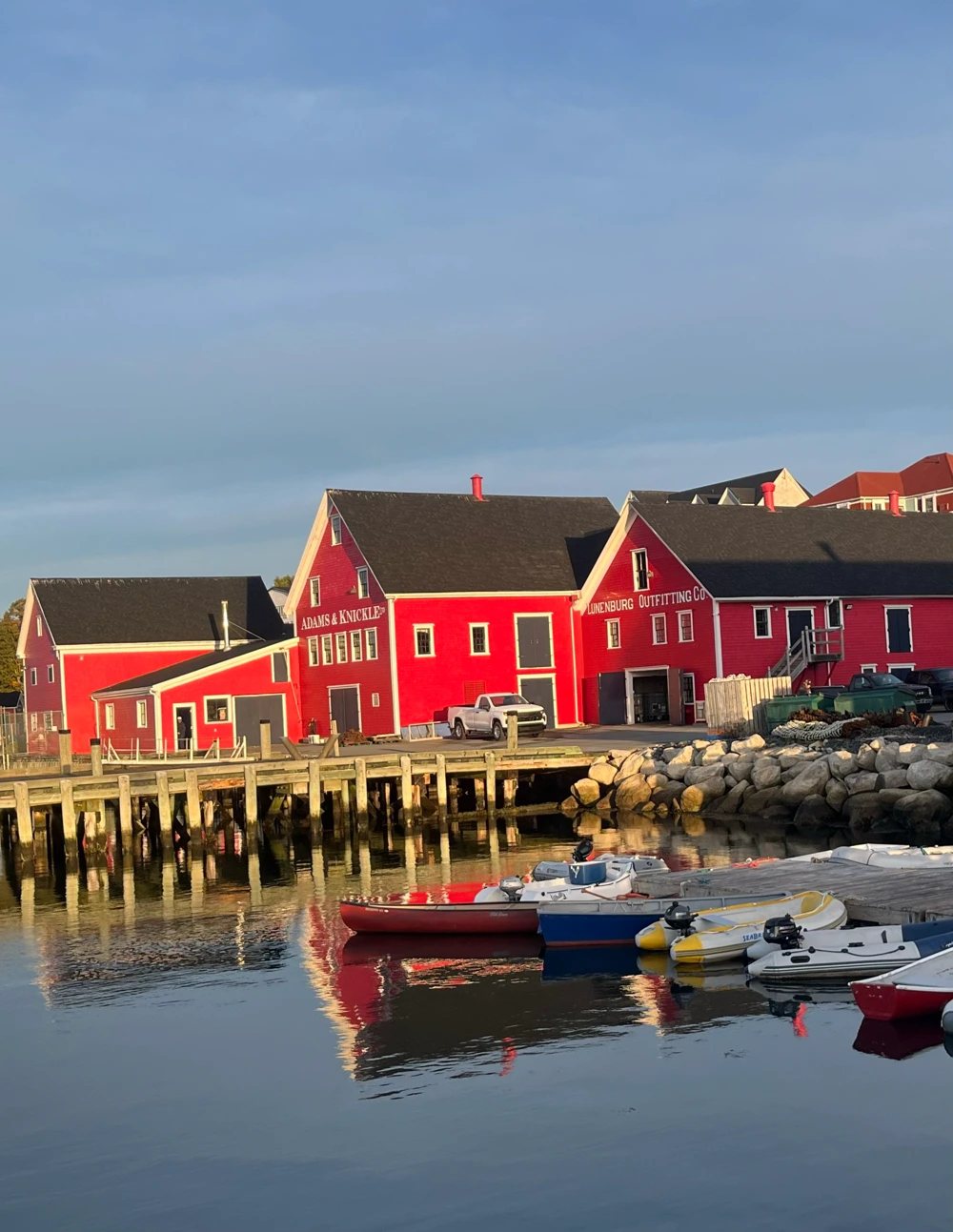
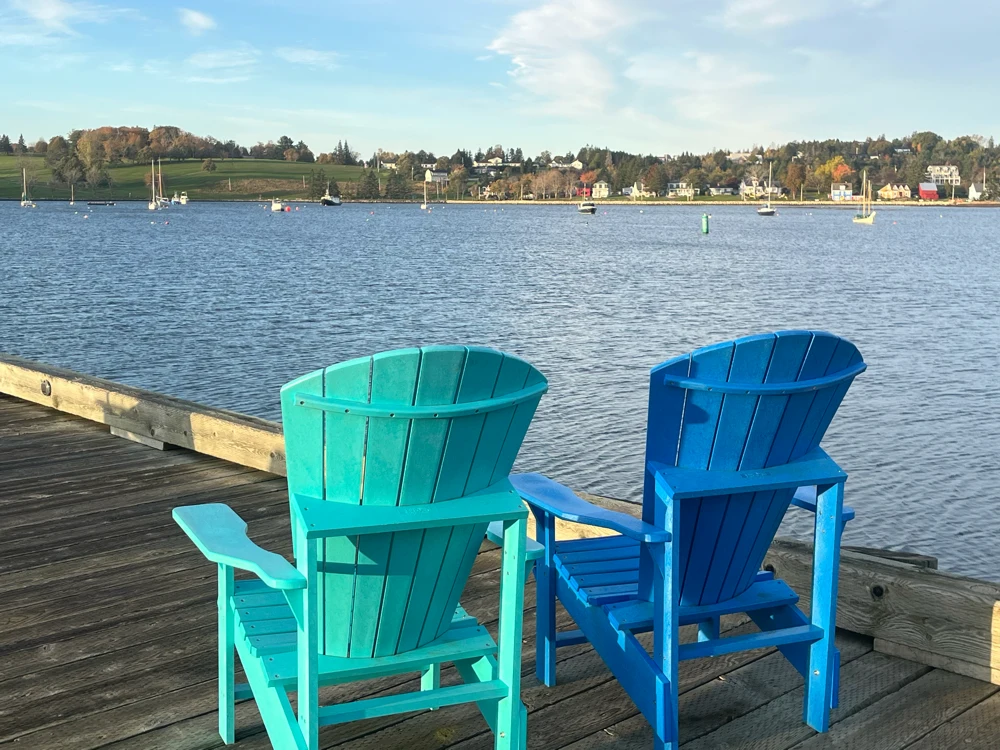
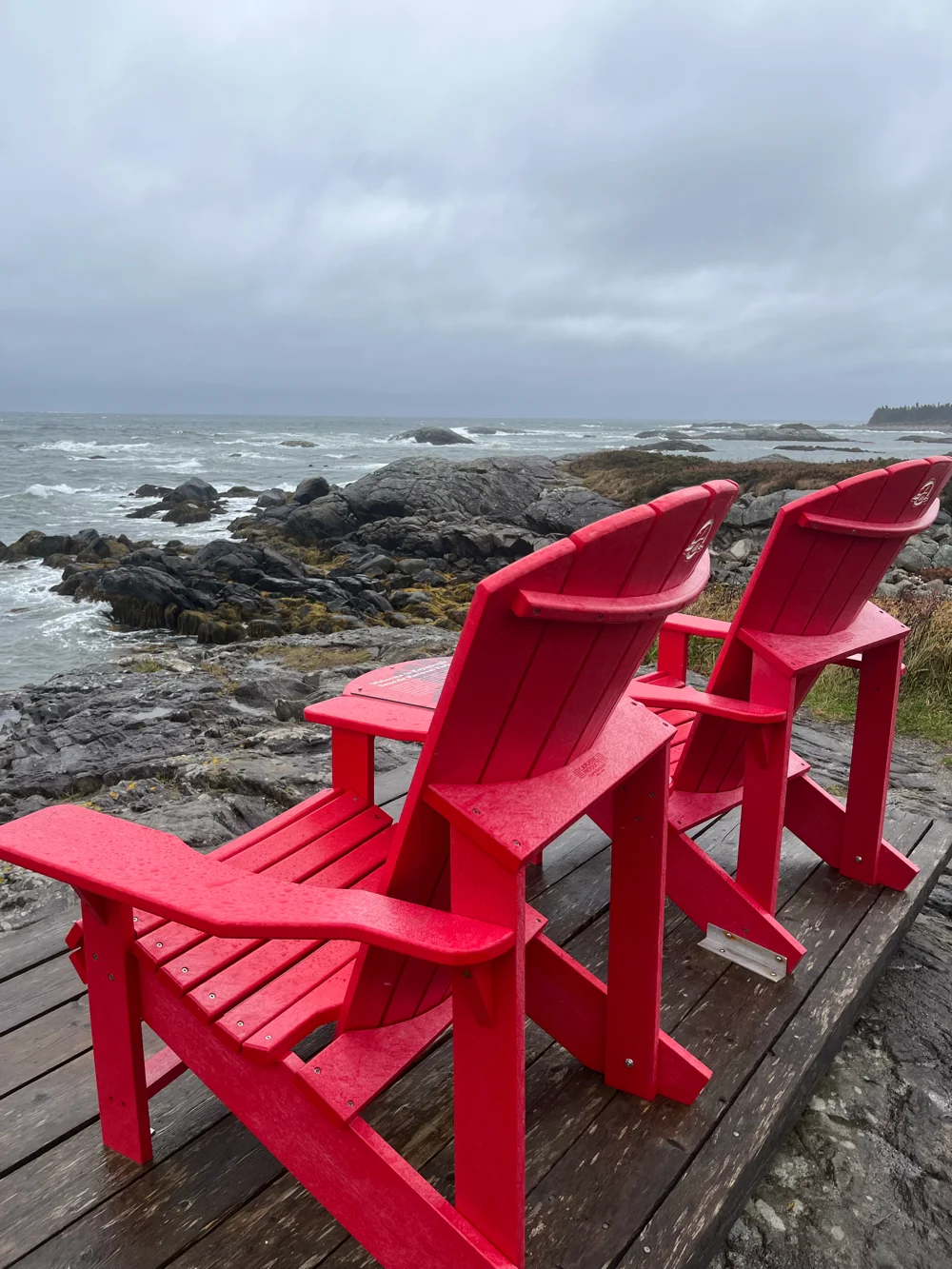
October in Canada can be 50 shades of grey. Shale skies, pewter oceans, and rainy beaches. But add the autumn leaves, a bit of Halloween magic, some gay fishing boats, and big and bright yellow, green or pink adirondack chairs on the piers, and the place comes alive.
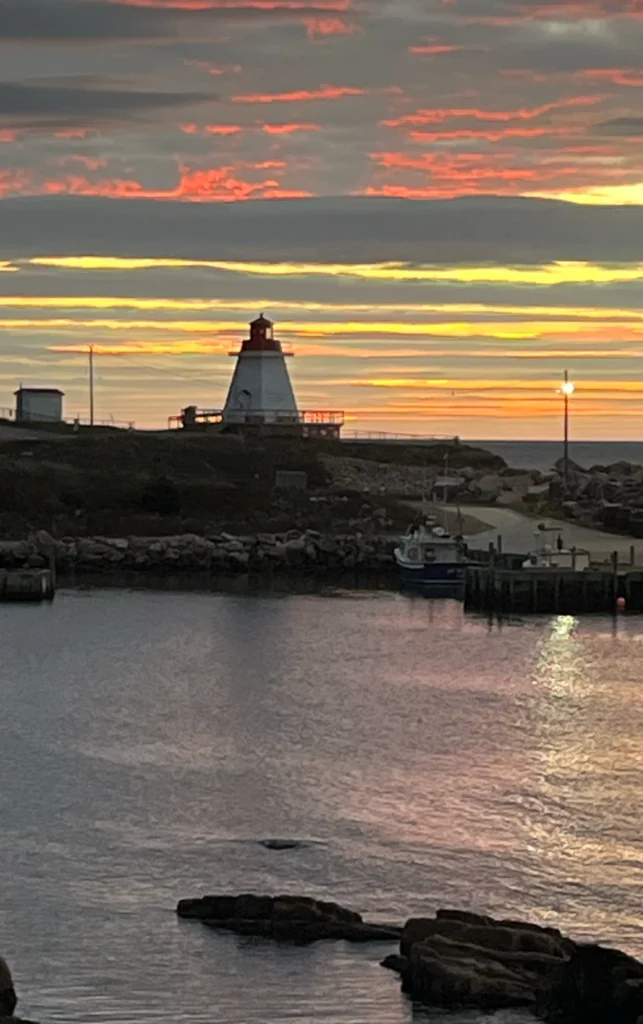
All this vibrant colour is to be found on the far east of Canada in the ocean playground of Nova Scotia. The east coast culture of fishing and seafaring is picture perfect, with rocky cliffs, quaint lighthouses, and boats aplenty. Come October though, the lobster pots are pulled up, and the fishing season is over. The cod and haddock fishing villages are eerily quiet, save for the gulls overhead and the bouys groaning in the harbour with their warnings of big swells rolling in from the North Atlantic.
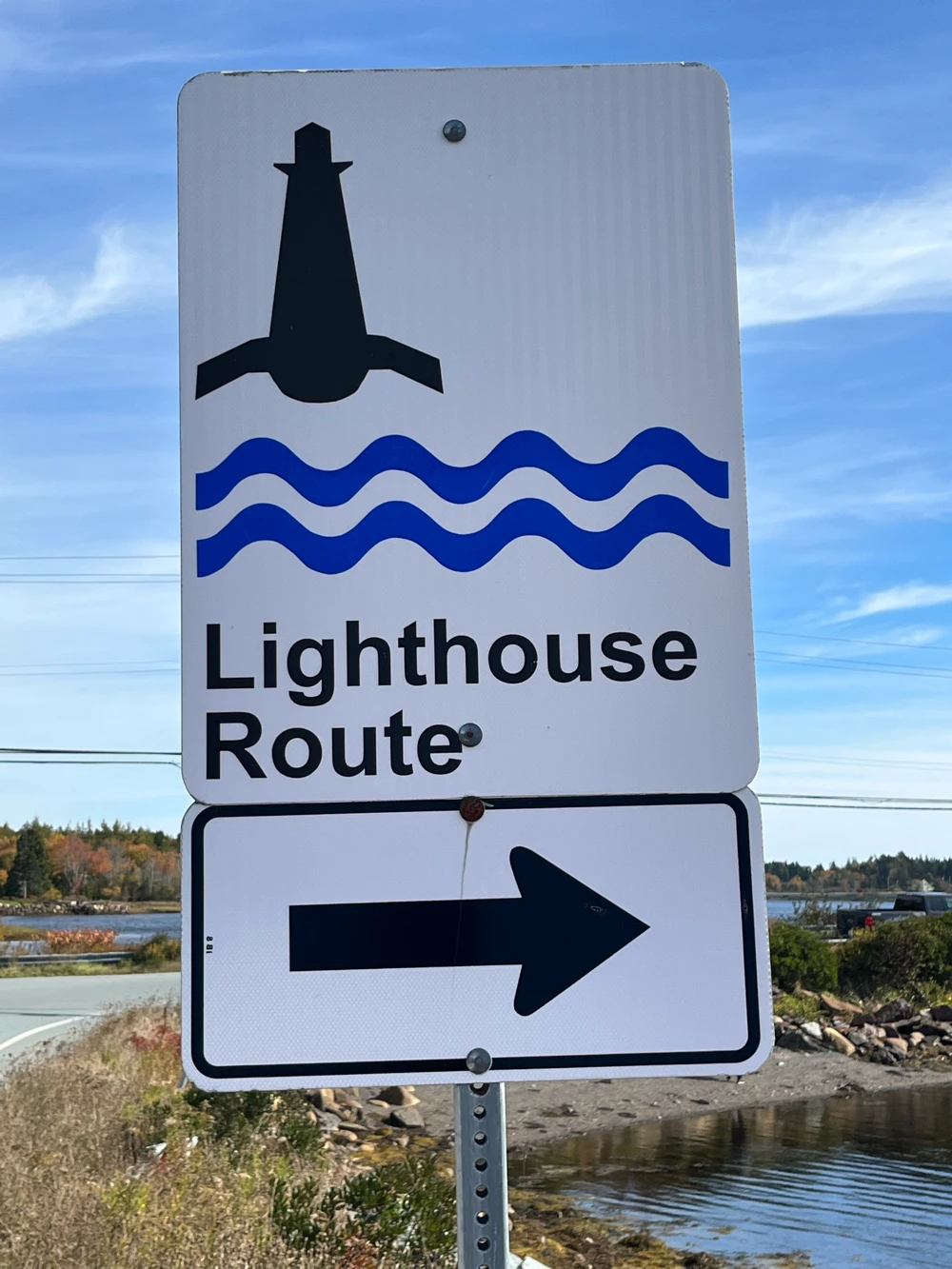
Stephanie’s started the Lighthouse trail in Halifax, the city and harbour area that was once a strategic outpost for colonial navys of many colours. The Portuguese, French and British, one after another, came to stake their claim here, beginning in the 1600s. All the waterfronts around the State bear witness to the ports, quays, jetties, shipyards, docks…and ale houses!…that occupied the harbours.
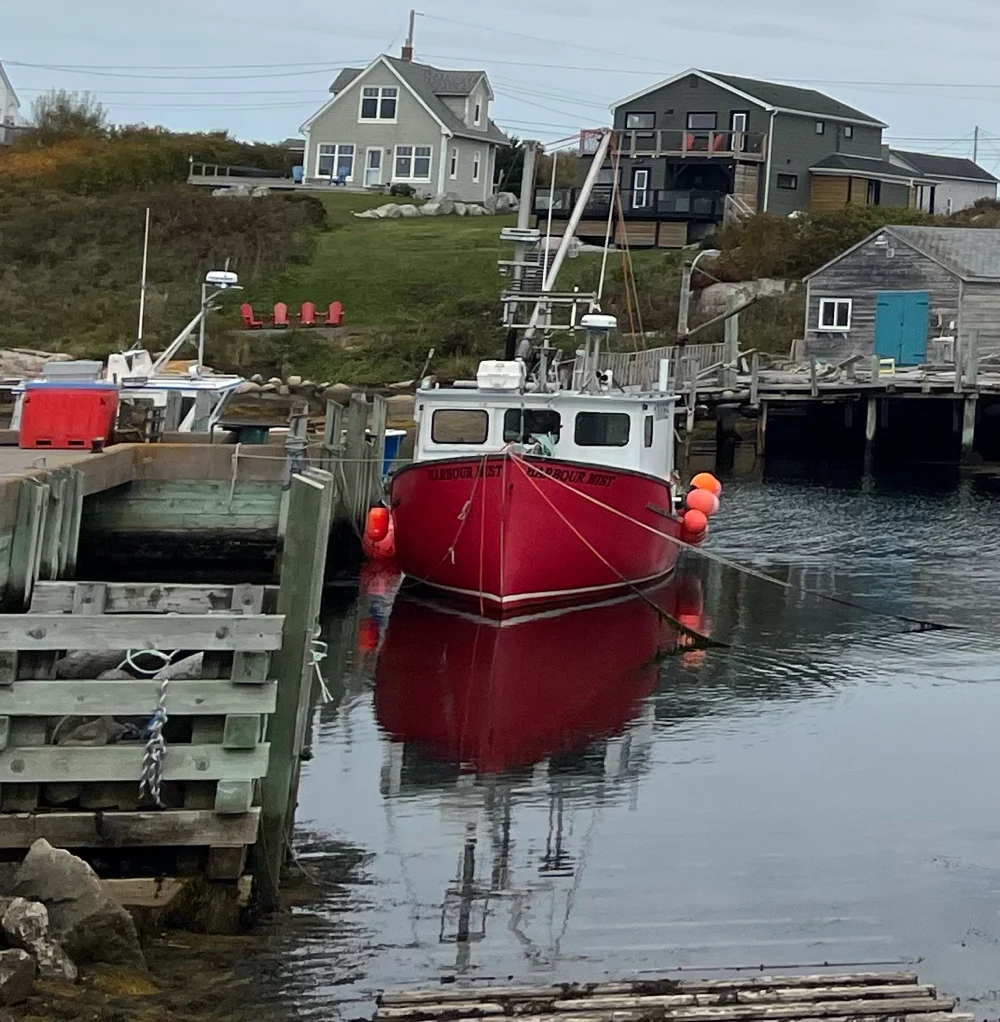

Halifax, a large, deep, ice free harbour on the far northeastern tip of the North American continent was the first point of call from Europe, and the last when heading back from the New World. When the Admirals weren’t fighting for territory, the seafarers, buccaneers and pirates were running spices, contraband rum, or slaves from the Caribbean and the South Pacific. When the coast was clear, so to speak, in the 1770s, the Scots, French and English began heading the 2500 nautical miles across to Canada in droves. Sadly, tales of ship wrecks, hardship and misadventure are everywhere, in the church yard graves, the sea shanties, and the place names, such as Wreck Cove. Over 1000 ships have been lost over the centuries in these treacherous North Atlantic waters, not just because of the rocky coastline, but also due to the presence of shifting sand bars hundreds of miles offshore.
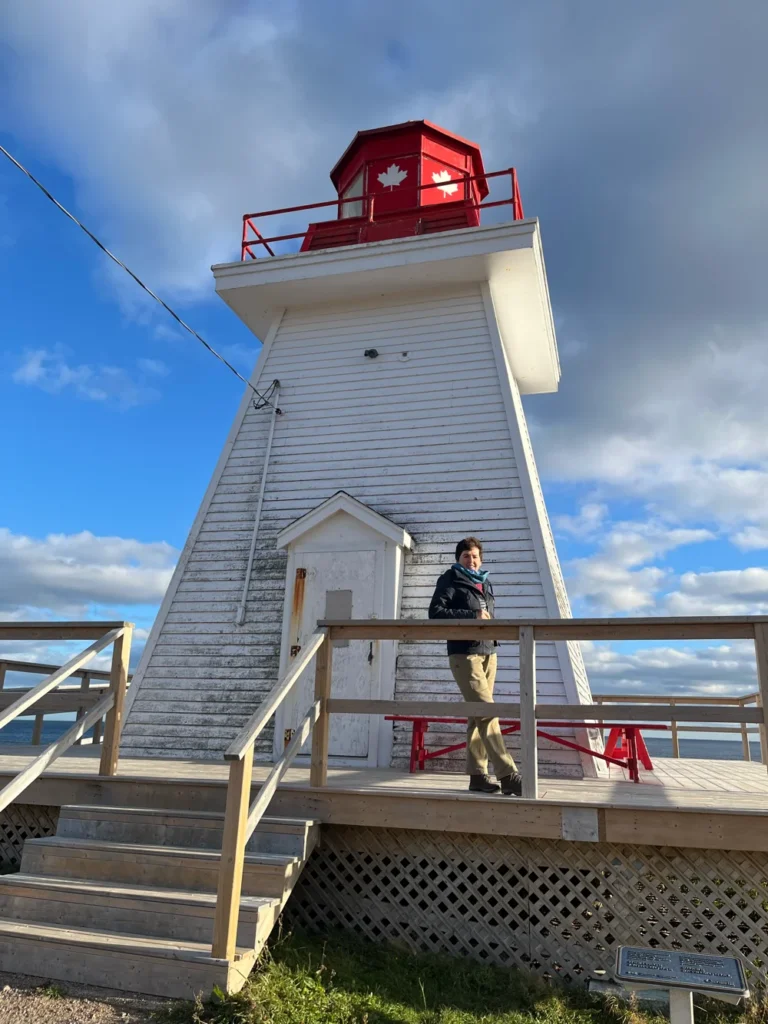
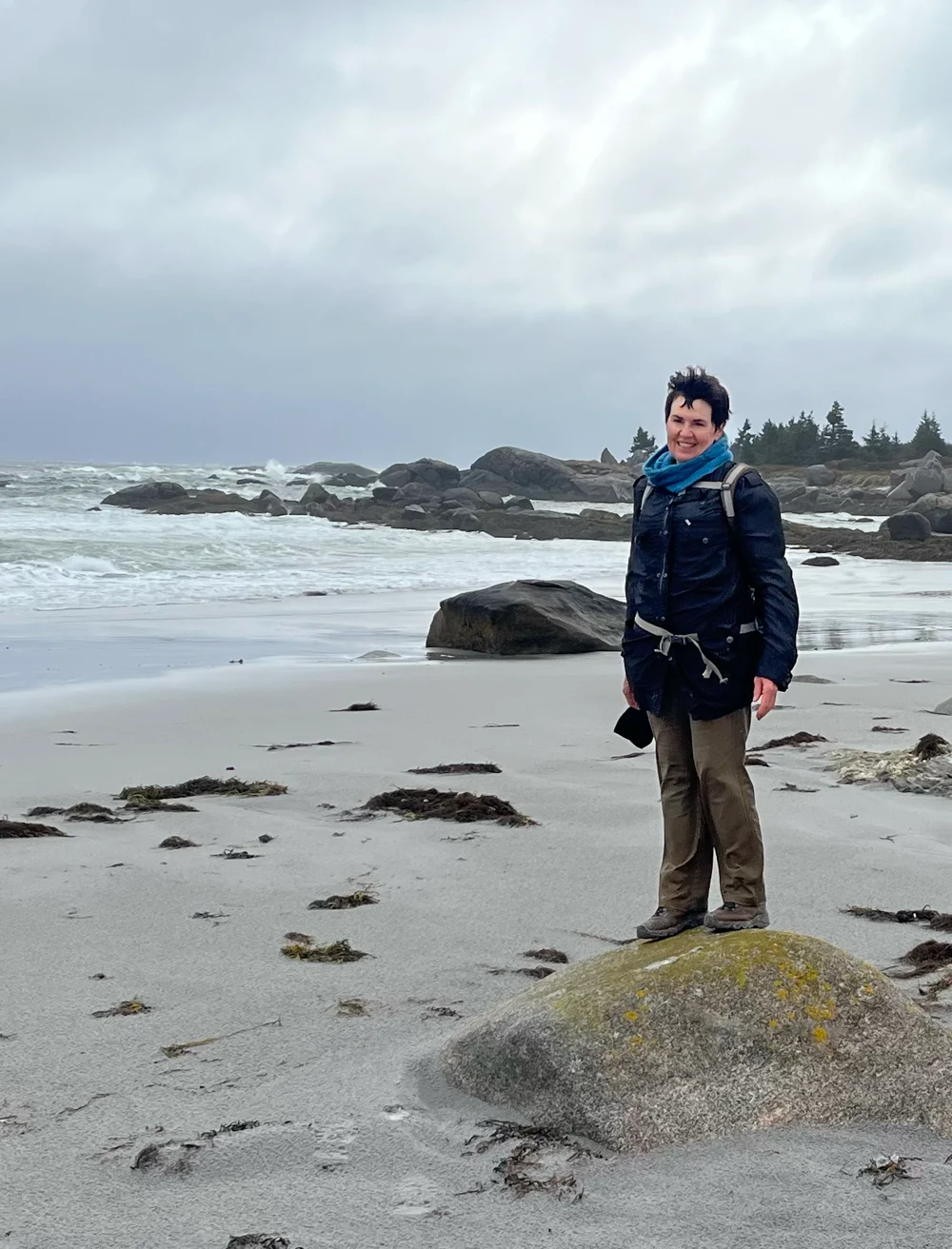
Walks around these evocatively named places are melancholy, blustery and cold. The storm clouds threaten snow, and the icy blasts from the North Atlantic bite hard. However, the views of thundering waves, sheer cliffs, and yes, those adorable lighthouses, make braving the elements on the abundance of coastal trails a very contemplative and emotional experience.
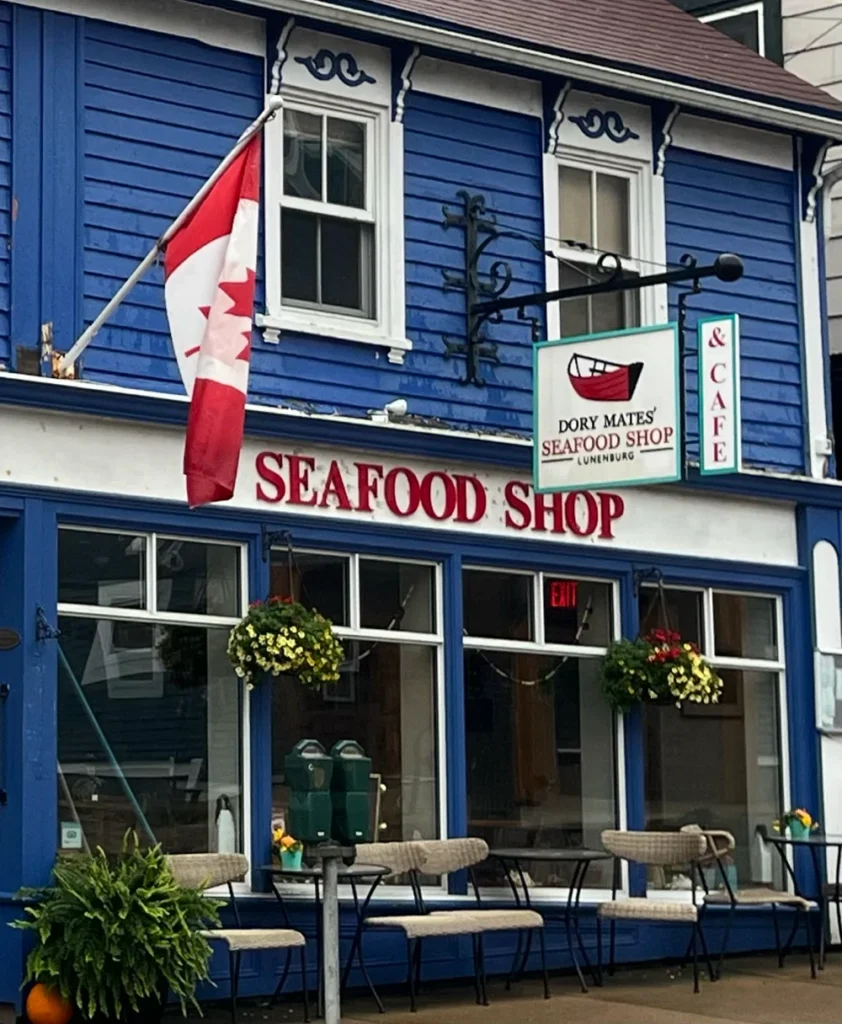
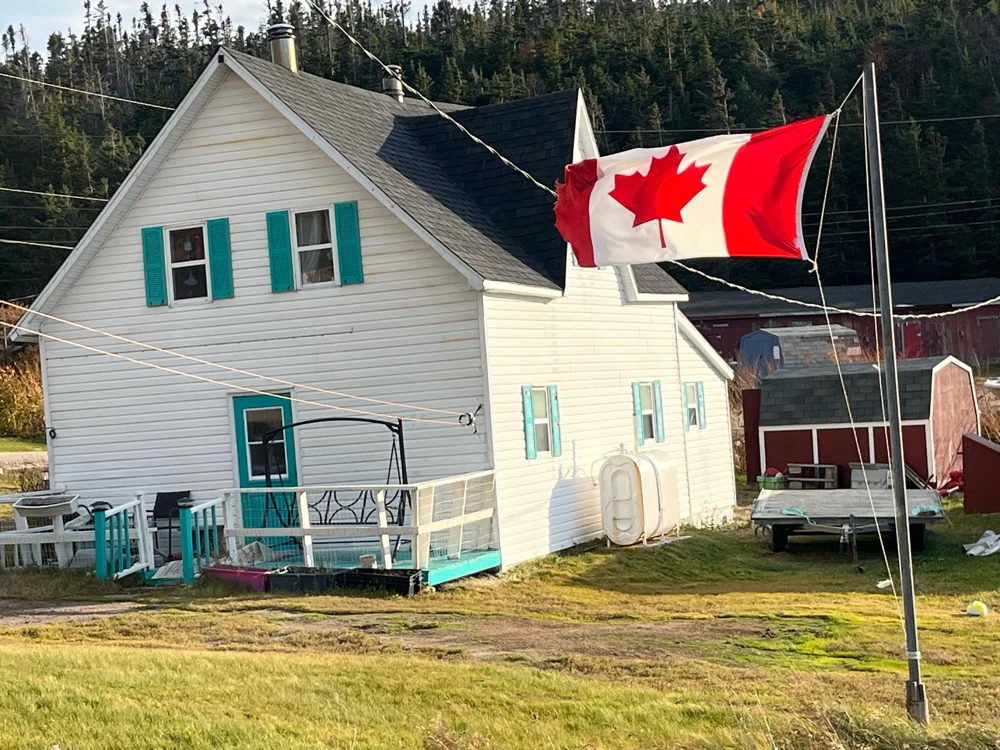
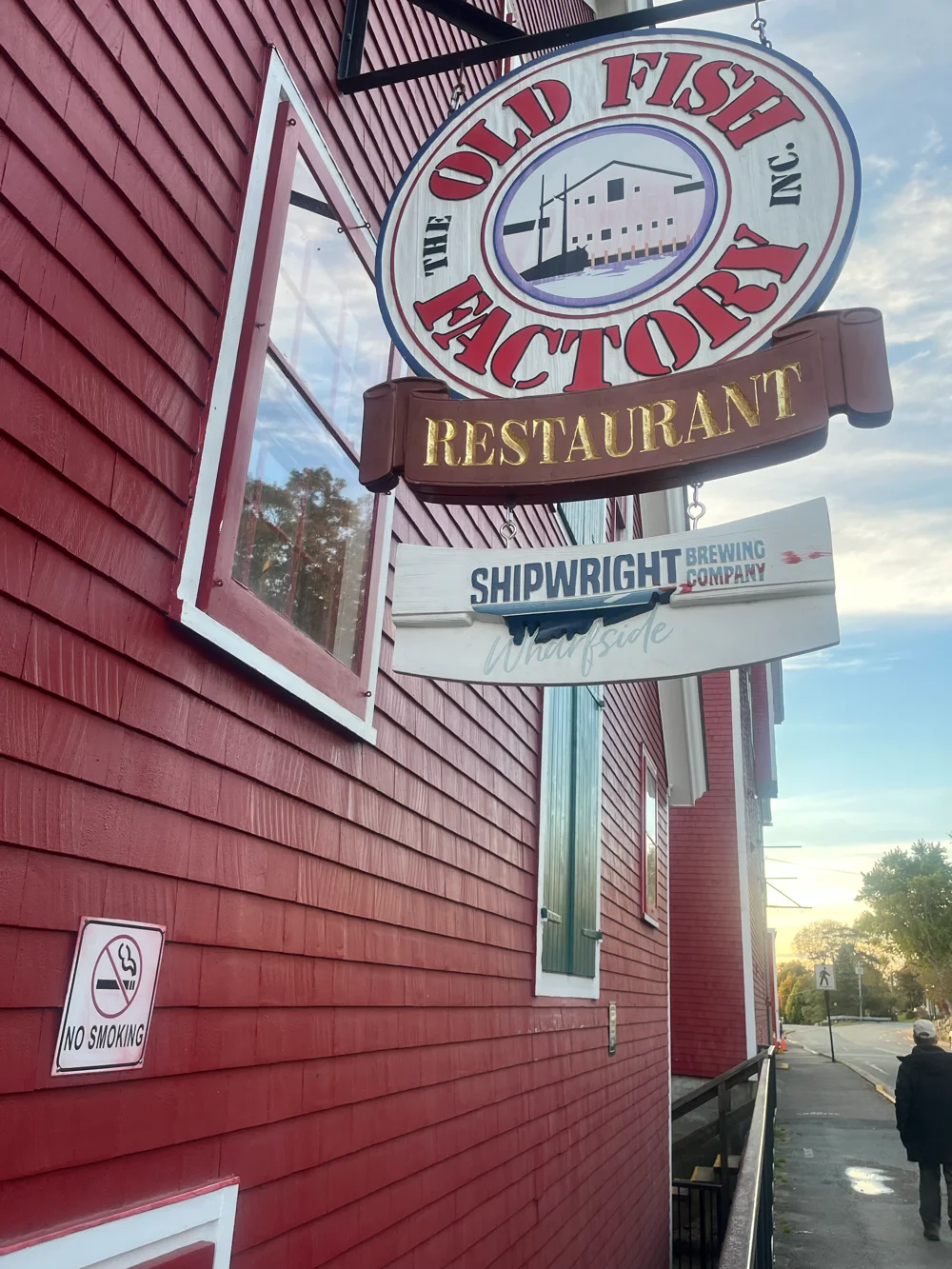
Known as Canada’s prettiest town, Lunenburg, on the southern shore of Nova Scotia has doubled down on its German and Swiss heritage, and preserved its picturesque and neatly nestled wooden houses, all bearing gorgeous lolly pop colours. It was the custom in the fishing towns to use left over marine paint on the houses, hence the jaunty colour schemes with their quintessential white framed windows and doors.
Full of craft, including the traditional rug hooking, as well as book stores and galleries, the town makes for a delightful wander, especially stopping in the cosy cafes for the local speciality, lobster rolls!
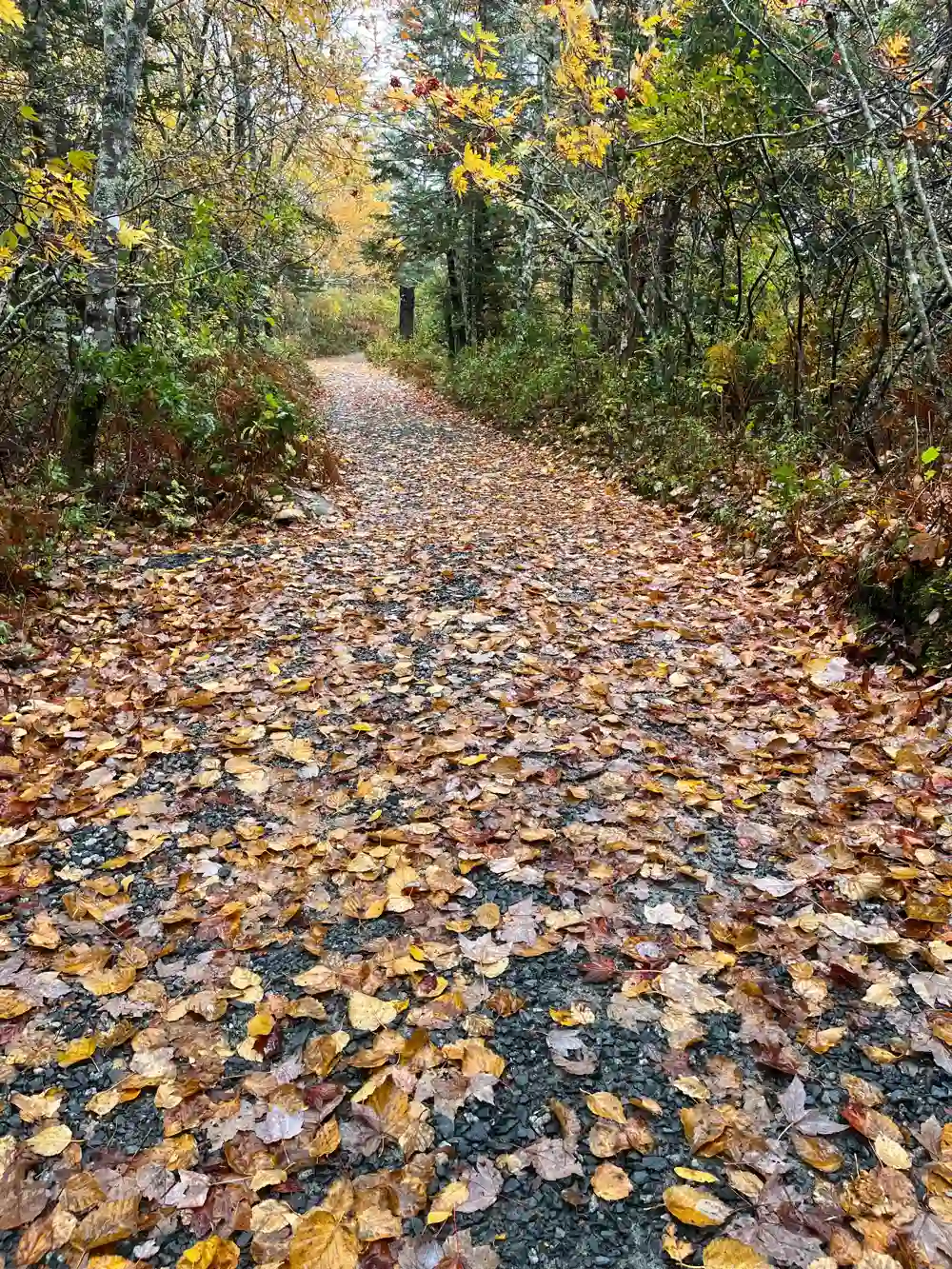
The lightly populated north of Nova Scotia is home to coves, estuaries and look outs, that deserve to be explored at a slow pace. Setting off with Compass Tours Stephanie’s spent four days along the famous Cabot Trail, a highway that circles around the large northerly Cape Breton. The Cabot Trail is 300 km of well maintained highway that meanders through dense canopies of golden autumn foliage, and curves and climbs precariously around the headlands of the Cape. Incredible coastline views abound. Readily marked walking tracks are found all along the Cabot Trail. The walks follow rocky granite beaches, long sandy spits, pristine lakes, and boggy grasslands. Along some of the steep forested escarpments, signs warn of possible encounters with coyote, bears and moose.
One can’t escape Halloween in North America; pumpkins adorn every doorstep, and spooky events are advertised everywhere at this time of the year. It is definitely a treat to visit Canada in the fall – an ideal time for walking and exploring when the crowds are few, and the beauty and history of this rugged and unforgiving country can be so readily appreciated.
What to pack for a walking trip in Canada
- Wool socks & beanie
- Waterproof jacket with a hood
- Thermals of every type – singlets, spencers, shorts, long johns
- Outdoor gloves for protection against cold, sharp vegetation and rocks
- Nylon neck gaiter – a warm layer, extra head and ear protection, dries quickly
- Binoculars – for spotting seals and whales from the headlands