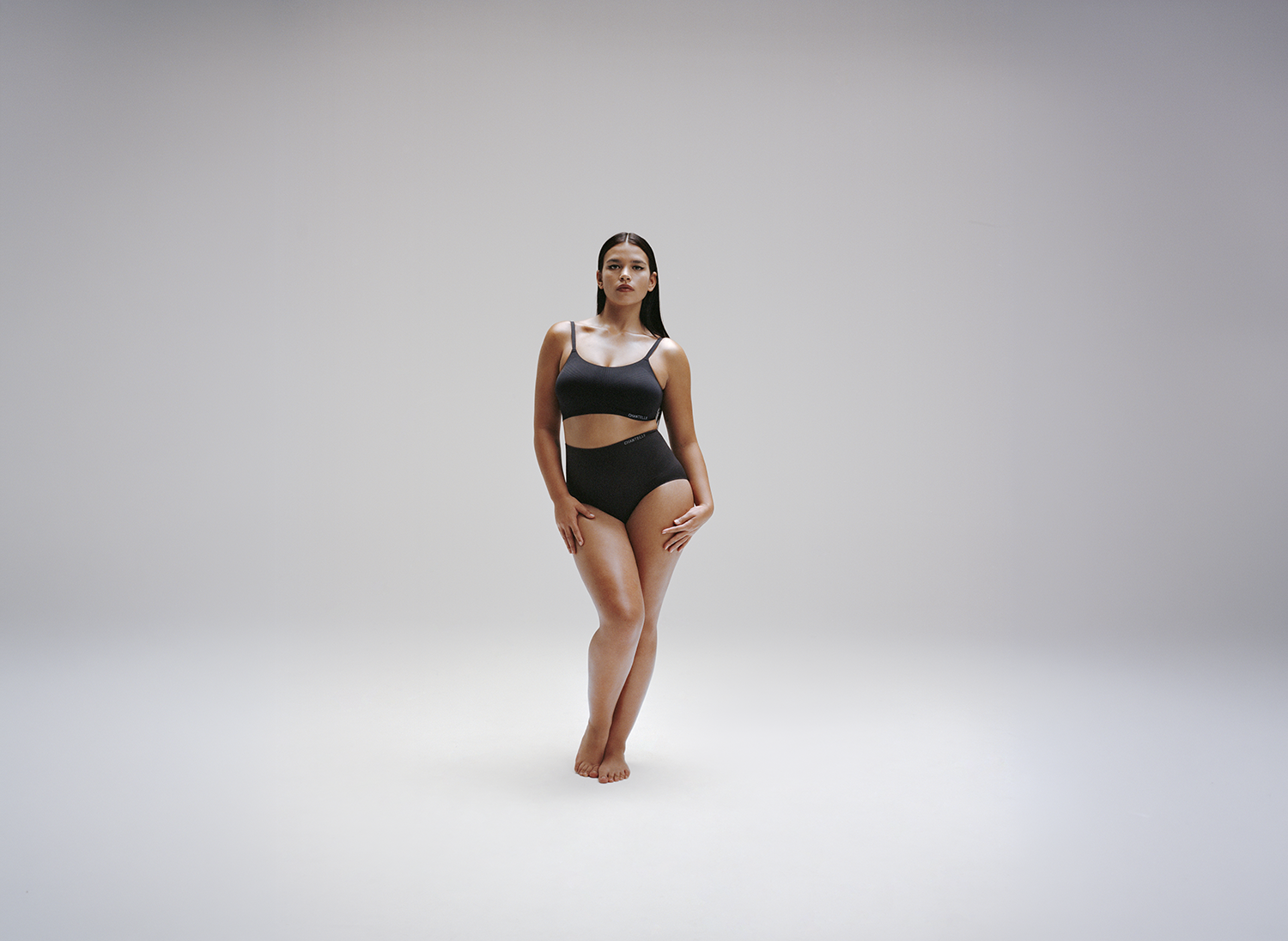
Smooth operator showdown: shaping briefs vs shorts vs slips vs bodysuits
Shapewear isn’t one thing — it’s a whole category of clever underpinnings. And choosing between shaping briefs, shorts, slips and bodysuits is a bit like choosing the right shoe: the “best” option depends on where you’re going and what you’re wearing.
Here’s the difference, explained in plain English – with a few practical tips to help you choose the right piece for your outfit (and your sanity).
First, a quick reminder of what shapewear should do
Shapewear is most effective when it:
- creates a smooth silhouette
- gives gentle support
- stays put without rolling or digging
- helps clothes sit better
If it’s uncomfortable, it’s either the wrong size, wrong style, or too firm for the job.
Shaping briefs: the everyday smoothing hero
What they are: Brief-style shapewear that smooths the tummy and often the waist/hips.
Best for: everyday wear, trousers, skirts, work outfits, knit dresses.
Why people love them:
- easy to wear
- often less “full on” than other styles
- great under pants where you don’t need thigh smoothing
Watch-outs:
If you’re wearing a clingy dress, the leg opening can sometimes create a visible line (depends on the cut and fabric). Look for soft edges or seamless styles.
Shaping shorts: smoothing + anti-chafe in one
What they are: Shorts-style shapewear (often mid-thigh), smoothing the tummy, hips, and upper thighs.
Best for: dresses, skirts, summer-to-winter chafe prevention, fitted outfits.
Why people love them:
- smooths more area than briefs
- reduces thigh rub (a genuine comfort win)
- often creates the cleanest line under skirts and dresses
Watch-outs:
Length matters. Too short can roll up; too long can show under shorter hems. The right hem finish is key (flat and smooth, not grippy in the wrong way).
Shaping slips: the “one and done” dress solution
What they are: Slip-style shapewear that smooths from bust/underbust down through the hips (sometimes to mid-thigh).
Best for: fitted dresses, satin fabrics, special events, “I don’t want lines anywhere” outfits.
Why people love them:
- smooths multiple zones at once
- reduces the chance of visible waistband lines
- great for dresses where you want an all-over finish
Watch-outs:
Fit through the bust matters. Some slips work best when paired with the right bra, or come with built-in support. Also consider the neckline/back of your dress.
Shaping bodysuits: maximum smoothing, minimum shifting
What they are: A one-piece shapewear option that smooths torso and often hips/thighs, and stays anchored because it’s connected.
Best for: outfits where you want everything to stay in place – fitted dresses, jumpsuits, and long event days.
Why people love them:
- less rolling because it’s anchored
- smooth line from top to bottom
- feels secure and supported
Watch-outs:
Bathroom practicality (always check the design). Also, choose the right neckline for your outfit so it doesn’t peek out.
How to choose the right one for your outfit
Use this quick guide:
- Wearing pants → shaping briefs (or high-waisted briefs)
- Wearing a dress/skirt → shaping shorts or slip
- Wearing a very fitted dress → slip or bodysuit
- Want all-over smoothing with less shifting → bodysuit
- Want everyday comfort → briefs or lighter shorts
The most common mistake: choosing the wrong level of firmness
A brief, a short, a slip, or a bodysuit can all come in light/medium/firm support. If you choose firm support for an everyday outfit, it can feel restrictive. If you choose light support for a very fitted dress, you might not get the smoothing you want.
Match firmness to the moment. Your ribs will thank you.
Want to try a few options and find “your” shapewear style?
If you’re in Warwick, drop into Stephanie’s Bra Boutique and we’ll help you compare shaping briefs, shorts, slips and bodysuits – and find the piece that suits your outfit and feels comfortable on your body. Bring the outfit (or a photo) and we’ll help you nail the smooth finish without the constant adjusting.